March as Turning Points: Key Events in TAM’s Early Years
Brskamo po zapisih, nastalih v mesecu marcu v zgodovini našega podjetja. Tako naletimo na zapis iz leta 1942, ki razkriva izjemen podatek: v tovarni je bilo zaposlenih kar 7.000 delavcev. Od tega jih je bilo približno 4.200 vključenih neposredno v proizvodnjo letalskih delov – predvsem elis – preostalih 2.800 pa je sodelovalo pri gradnji in razvoju infrastrukture.
Ta podatek ni zgolj zanimiva številka iz arhivov. Je vpogled v čas izjemne industrijske mobilizacije, v obdobje, ko je območje današnjega TAM Europe postalo eno ključnih proizvodnih središč v tem delu Evrope. Da bi razumeli njegov pomen, moramo pogledati širšo sliko – prostor, zgodovino in ljudi, ki so to zgodbo soustvarjali.
Prostor, ki je bil vedno strateški
Območje pod Pohorjem, kjer danes deluje TAM Europe, že stoletja velja za eno najpomembnejših strateških točk v širši regiji. Ravnica pod Pohorjem ni bila nikoli zgolj geografski prostor – bila je križišče poti, idej, trgovine in industrije.
Že v času Marije Terezije je tod potekala ena glavnih prometnih povezav med Dunajem in Trstom. Ta cesta ni povezovala le dveh mest, temveč notranjost imperija z njegovim najpomembnejšim pristaniščem. Blago, surovine, vojska in informacije – vse je potovalo po tej poti.
Kasneje se je pomen območja še povečal. Maribor je postal prometni križ med vzhodom in zahodom ter severom in jugom Evrope. Z izgradnjo železnice v 19. stoletju je mesto dobilo še dodatno prednost. Industrija, ki je sprva nastajala iz obrtnih delavnic, je začela dobivati resne razsežnosti.
Po letu 1918, z nastankom nove države, se je gospodarska struktura dodatno spremenila. Visoke carine so ščitile domačo industrijo, prometna lega pa je omogočala intenzivno trgovanje med srednjo Evropo in Balkanom. Maribor je postal eno ključnih industrijskih središč – mesto, ki je kljub svetovni gospodarski krizi ohranjalo razvojni zagon.
Odločitev, sprejeta v Berlinu
Ko je Evropa zdrsnila v drugo svetovno vojno, je industrija postala ključni del vojaške strategije. Nemčija je potrebovala nove proizvodne kapacitete – varne, učinkovite in dobro povezane.
Odločitev o postavitvi tovarne na območju Tezna ni bila naključna. Sprejeta je bila v Berlinu, kjer je politični in vojaški vrh prepoznal vse prednosti Maribora: industrijsko tradicijo, prometno dostopnost in razpoložljivo delovno silo.
Gradnja se je začela 25. julija 1941. Kljub vojnim razmeram je projekt napredoval hitro. Že istega leta so v obstoječih prostorih vzpostavili prve proizvodne procese.
Zgovoren je podatek, da so že novembra 1941 izdelali 1.200 propelerjev in 1.300 regulatorjev vrtljajev letalskih motorjev. To kaže na izjemno organiziranost in pomen projekta.
Marec 1942
Zapis iz marca 1942 razkriva izjemno dinamiko: več kot 7.000 zaposlenih v manj kot letu dni od začetka gradnje.
Od tega:
-
4.200 v proizvodnji,
-
2.800 v gradnji infrastrukture.
Ta podatek pove več kot tisoč besed. Tovarna ni bila le proizvodni obrat – bila je organizem v rasti. Medtem ko so eni izdelovali letalske komponente, so drugi širili prostor, gradili nove hale, razvijali logistiko.
Po prvotnih načrtih naj bi proizvajali 500 letalskih motorjev mesečno, a realnost vojne je zahtevala prilagoditve. Poudarek je bil na ključnih komponentah – elisah, regulatorjih in drugih delih, ki so omogočali delovanje letal.
Arhitektura kot odraz časa
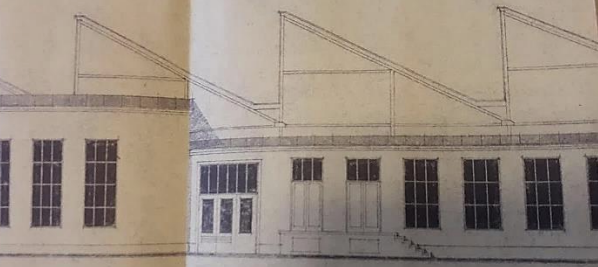
Pomemben del te zgodbe je tudi arhitektura. Tovarniški kompleks je zasnoval arhitekt A. Rosenberger, nemški diplomirani inženir, ki je sodeloval pri številnih industrijskih projektih v času druge svetovne vojne.
Njegov pristop ni bil estetski v klasičnem smislu – bil je funkcionalen. Arhitektura je sledila potrebam proizvodnje.
Rosenbergerjeva zasnova odraža principe industrijskega funkcionalizma, ki se je razvil pod vplivom modernizma in gibanj, kot je Bauhaus. To pomeni:
-
preproste, čiste oblike,
-
modularno zasnovo,
-
uporabo armiranega betona in jekla,
-
velike, odprte prostore,
-
poudarek na svetlobi in logistiki.
Kompleks na Teznu ni bil skupek stavb – bil je sistem.
Posebej zanimivo je, da stavba, kjer danes deluje TAM Europe, ni bila samostojen objekt, temveč tehnično jedro kompleksa. V njej so delovali ključni oddelki:
-
vzdrževanje tovarne,
-
montaža motorjev in šasij,
-
orodjarna.
To je bil prostor znanja, popravil in sestavljanja – srce tehničnega delovanja.
Celoten industrijski kompleks pa je bil bistveno širši in izjemno razvejan. Sestavljali so ga:
-
Upravno poslopje
-
Inštitut
-
Laboratoriji
-
Prototipna delavnica
-
Mehanska obdelava
-
Kalilnica
-
Sprejem blaga
-
Vzdrževanje tovarne
-
Montaža motorjev in šasij
-
Orodjarna
-
Karosernica
-
Lakirnica
-
Montaža vozil
-
Livarna
-
Kovačnica
-
Kotlarna
-
Odpremni oddelek
-
Prodajni oddelek
-
Restavracija
-
Elektronski računski oddelek
-
Glavni vhod
-
Obratna ambulanta
Takšna struktura kaže na nekaj izjemnega: tovarna je bila popolnoma zaokrožen industrijski ekosistem. Imela je razvoj, proizvodnjo, logistiko, administracijo in celo socialno infrastrukturo.
Vojna pusti posledice
Leta 1944 se je zgodba obrnila. Zavezniška bombardiranja so močno poškodovala industrijske objekte v Mariboru. Tovarna na Teznu ni bila izjema.
Proizvodnja je začela upadati, infrastruktura je bila uničena, sistem, ki je še dve leti prej rasel z neverjetno hitrostjo, pa se je začel ustavljati.
Nova doba – rojstvo TAM-a
Po koncu vojne se je odprlo novo poglavje. Kljub poškodbam je infrastruktura ostala – in prav to je bilo ključno.
Takratna oblast je prepoznala potencial območja in sprejela odločitev, da se na tem mestu razvije nova industrija. Na temeljih vojne proizvodnje je začela nastajati civilna industrija, usmerjena v proizvodnjo vozil.
Tako se je začela zgodba TAM-a.
Prehod iz proizvodnje letalskih komponent v proizvodnjo tovornjakov in avtobusov ni bil enostaven, vendar je bil logičen. Obstoječa infrastruktura, znanje delovne sile in organizacijski sistemi so omogočili relativno hitro preusmeritev.
V naslednjih desetletjih je TAM postal eden ključnih industrijskih sistemov v Jugoslaviji. Njegova proizvodnja je obsegala širok spekter gospodarskih vozil, ki so se uporabljala tako v civilne kot tudi posebne namene. Pomembno je tudi, da je podjetje razvijalo lastne rešitve in tehnologije, kar ga je uvrščalo med pomembnejše proizvajalce v širši regiji.
Manj znane zanimivosti
Zgodovina tega območja skriva še številne zanimive in manj znane podrobnosti, ki dodatno osvetljujejo njegov pomen:
-
kompleks na Teznu je bil ena največjih industrijskih investicij na območju današnje Slovenije v času druge svetovne vojne,
-
velik del delovne sile so predstavljali prisilni delavci iz različnih delov Evrope, kar je bila žalostna realnost vojnega časa,
-
Maribor je bil zaradi svoje industrijske vloge eno najbolj bombardiranih mest na tem območju,
-
tovarna je bila zasnovana kot samozadostna enota z lastnimi logističnimi in energetskimi sistemi,
-
po drugi svetovni vojni je TAM izvažal vozila v številne države, vključno z državami Evrope, Afrike in Bližnjega vzhoda,
-
industrijska tradicija Maribora sega še pred drugo svetovno vojno, kar je bil eden ključnih razlogov za izbor lokacije.
Ti podatki kažejo, da zgodba TAM-a ni izolirana, temveč je del širšega industrijskega in zgodovinskega razvoja regije.
Browsing through records created in the month of March in the history of our company, we come across an entry from 1942 that reveals a remarkable fact: the factory employed as many as 7,000 workers. Of these, around 4,200 were directly involved in the production of aircraft components—primarily propellers—while the remaining 2,800 were engaged in building and developing the factory’s infrastructure.
This figure is more than just an archival statistic. It offers a glimpse into a period of intense industrial mobilization, when the area where TAM Europe operates today became one of the key production centers in this part of Europe. To fully understand its significance, it is necessary to look beyond the number itself—into the geography, the historical context, and the industrial logic that shaped this development.
A location of enduring strategic importance
The area beneath the Pohorje hills, where TAM Europe stands today, has long been recognized as a strategically important location. Its significance is rooted not only in geography but in connectivity. This flat plain served as a natural crossroads—linking regions, economies, and transport routes.
As early as the reign of Maria Theresa, one of the main routes connecting Vienna and Trieste passed through this region. This was not just a commercial corridor but a vital artery of the Habsburg Empire, linking the interior with its most important seaport. Goods, raw materials, military units, and information all flowed along this route.
Over time, the importance of the area only increased. Maribor developed into a major transport hub at the intersection of routes connecting east and west, as well as north and south. The construction of the railway network in the 19th century further strengthened its position, enabling faster and more efficient transport of goods.
Industrialization followed naturally. What began as small-scale craft production gradually evolved into larger industrial operations. After 1918, with the creation of a new state, the economic structure shifted further. Protective tariffs supported domestic industry, while the city’s location facilitated trade between Central Europe and the Balkans. Maribor emerged as a major industrial center—one that continued to grow even during the global economic crisis.
A decision made in Berlin
With the outbreak of the Second World War, industrial capacity became a central element of military strategy. Nazi Germany sought new locations for production facilities that were secure, logistically efficient, and supported by an existing industrial base.
The decision to establish a factory in the Tezno area was made in Berlin. Maribor was not chosen by chance. The city offered a combination of industrial tradition, transport connectivity, and an available workforce.
Construction began on July 25, 1941. Despite wartime conditions, progress was rapid. Even before the full complex was completed, production activities had already started within existing facilities.
By November 1941, the factory had already produced 1,200 aircraft propellers and 1,300 engine speed regulators in the premises of the former Textil factory. This early output demonstrates both the urgency of the project and the high level of organization involved.
According to initial plans, the factory was expected to produce up to 500 aircraft engines of the VS-7 type per month. However, as was often the case in wartime industry, production priorities quickly shifted toward critical components required for immediate operational needs.
March 1942 – a moment of peak expansion
The March 1942 record captures the factory at a moment of extraordinary growth. In less than a year from the start of construction, the workforce had reached approximately 7,000 employees.
Of these:
-
around 4,200 were engaged in production,
-
around 2,800 were involved in construction and infrastructure development.
This distribution reveals a great deal about the nature of the operation. The factory was not a static production site—it was an expanding system. While one part of the workforce was manufacturing aircraft components, another was simultaneously building new facilities, expanding capacity, and improving logistics.
This dual development—production and construction—indicates that the factory was still in a phase of rapid scaling. New halls, storage areas, transport routes, and support buildings were continuously being added.
Although the original goal focused on engine production, the reality of wartime needs led to a concentration on essential parts such as propellers and regulators. Flexibility and adaptability were key characteristics of wartime industrial systems, and the Tezno complex was no exception.
Architecture as a reflection of industrial logic
An often overlooked but essential aspect of the factory’s development is its architectural design. The complex was planned by architect A. Rosenberger, a German graduate engineer involved in industrial projects during the war.
Rosenberger’s approach was not driven by aesthetics in the traditional sense, but by function. His work reflects the principles of industrial functionalism, a movement influenced by modernist ideas and schools such as the Bauhaus.
This architectural approach emphasized:
-
simple geometric forms,
-
modular construction,
-
the use of reinforced concrete and steel,
-
large open production spaces,
-
efficient layouts that supported workflow and logistics.
The factory was designed as an integrated system rather than a collection of independent buildings. Each structure was part of a broader network in which production, logistics, maintenance, and administration were closely interconnected.
Particularly noteworthy is the building that today houses TAM Europe. Historically, this was not a standalone production unit but a technical core of the complex. It accommodated several key departments, including:
-
factory maintenance,
-
engine and chassis assembly,
-
the tool workshop.
This made it a central hub where technical expertise, repair, and assembly converged.
A fully developed industrial ecosystem
The wider factory complex was extensive and highly structured. It included a wide range of specialized facilities, demonstrating a high level of industrial organization:
-
Administrative building
-
Institute
-
Laboratories
-
Prototype workshop
-
Mechanical processing
-
Heat treatment (hardening shop)
-
Goods receiving
-
Maintenance
-
Engine and chassis assembly
-
Tool shop
-
Bodywork shop
-
Paint shop
-
Vehicle assembly
-
Foundry
-
Forge
-
Boiler house
-
Dispatch department
-
Sales department
-
Restaurant
-
Electronic computing department
-
Main entrance
-
Factory medical clinic
This structure shows that the facility was not merely a production site, but a comprehensive industrial ecosystem. It included research and development, manufacturing, logistics, administration, and even social infrastructure such as a restaurant and a medical clinic.
Such self-sufficient industrial complexes were characteristic of large-scale wartime production systems, designed to operate with minimal external dependency.
War damage and decline
The rapid growth of the factory was ultimately disrupted by the realities of war. In early 1944, Allied bombing campaigns targeted industrial centers across the region, including Maribor.
The Tezno factory complex was heavily damaged. Key production facilities and infrastructure were destroyed or rendered unusable. As a result, production began to decline.
Despite efforts to maintain operations, it became increasingly difficult to sustain the level of output achieved in earlier years. The industrial system that had expanded so quickly was now facing fragmentation and disruption.
Post-war transformation
After the end of the war, the damaged but still substantial infrastructure presented a significant opportunity. The new authorities recognized the value of the existing facilities and the strategic location.
A decision was made to repurpose the site for civilian industry, specifically for the production of vehicles. This marked the beginning of a new chapter.
The transition from military to civilian production was not immediate, but it was facilitated by several key factors:
-
existing industrial infrastructure,
-
a skilled workforce,
-
established organizational systems,
-
and the same strategic transport connections that had originally justified the location.
From these foundations emerged the development of the TAM (Tovarna avtomobilov Maribor) factory, which would go on to become one of the most important industrial enterprises in the region.
Lesser-known facts and broader context
Several additional details help to further illustrate the significance of the Tezno complex:
-
It was one of the largest industrial investments in the territory of present-day Slovenia during the Second World War.
-
A significant portion of the workforce consisted of forced laborers from various parts of Europe, reflecting the harsh realities of wartime production.
-
Maribor became one of the most heavily bombed cities in the region due to its industrial importance.
-
The factory was designed as a self-sufficient unit, with its own logistics, energy systems, and support services.
-
After the war, TAM vehicles were exported to numerous countries across Europe, Africa, and the Middle East.
-
The industrial tradition of Maribor predates the war and was a key factor in the original selection of the location.
This historical snapshot from March 1942 thus reveals far more than employment figures. It reflects a complex interplay of geography, politics, industrial strategy, and human labor. The factory at Tezno was not only a product of its time but also a foundation for decades of industrial development that followed.