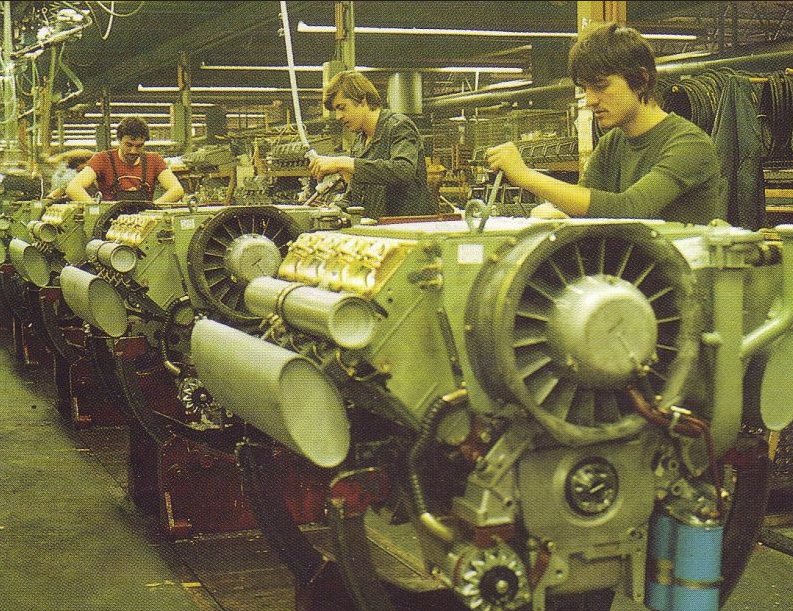
Junes as Turning Points: Key Events in TAM’s Early Years
Junes as Turning Points: Key Events in TAM’s Early Years
Ko v TAM-u ni bilo več piva: junij skozi zgodovino tovarne
Junij je bil v TAM-u precej več kot le še en mesec v proizvodnem koledarju. V njem so se prepletali proizvodni načrti, izvoz, stanovanja, dopusti, tehnične izboljšave, šport, družabno življenje in vsakdanji problemi zaposlenih. In leta 1971 tudi precej nenavadna odločitev: v tovarni naj ne bi bilo več mogoče kupiti niti piva.
Če junijske številke internega glasila Vesti iz TAM prebiramo skupaj, dobimo zanimiv prerez življenja v eni največjih mariborskih tovarn. Številke povedo veliko o proizvodnji, drobne novice pa še več o ljudeh, ki so za temi številkami stali.
Junij je bil najprej mesec proizvodnje
TAM-ov junij je bil skoraj vedno tesno povezan s proizvodnimi načrti. Leta 1967 so v juniju izdelali 451 vozil in šasij, čeprav je bil načrt 390. Mesečni plan so tako presegli za 12,75 odstotka, zaostanek za polletnim načrtom pa zmanjšali na vsega 45 vozil in šasij oziroma približno tri delovne dni.
Leto pozneje je bil junijski rezultat še nekoliko boljši. Načrt vskladiščenja je predvideval 448 vozil, dejansko pa so jih vskladiščili 461. Montaža je načrtovala 440 vozil, dokončali pa so jih 446. Do konca prvega polletja so tako presegli tudi kumulativni plan montaže.
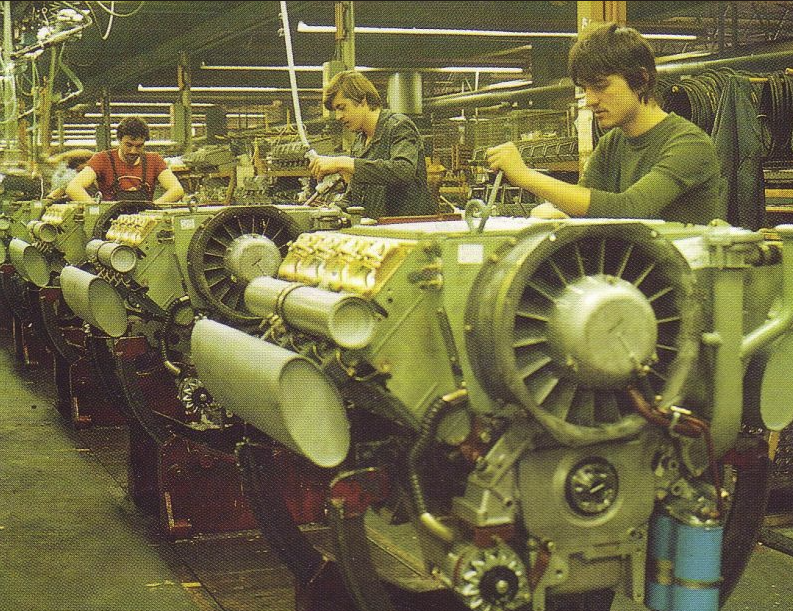
Leta 1970 pa je bila slika precej drugačna. Junijski plan je predvideval 639 vozil, izdelali so jih 580, vskladiščili 563 in prodali 616. Mesečni proizvodni plan je bil izpolnjen 88-odstotno. Ob vozilih so izdelali še 197 šestvaljnih motorjev za KHD.
Takšne številke so bile za vodstvo pomembne vsak mesec. Za današnjega bralca pa so zanimive tudi zato, ker pokažejo, kako natančno je bilo življenje tovarne razdeljeno med plane, zaostanke in dnevne proizvodne norme.
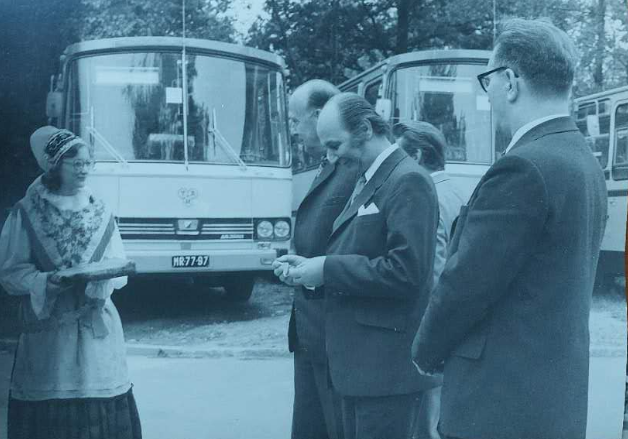
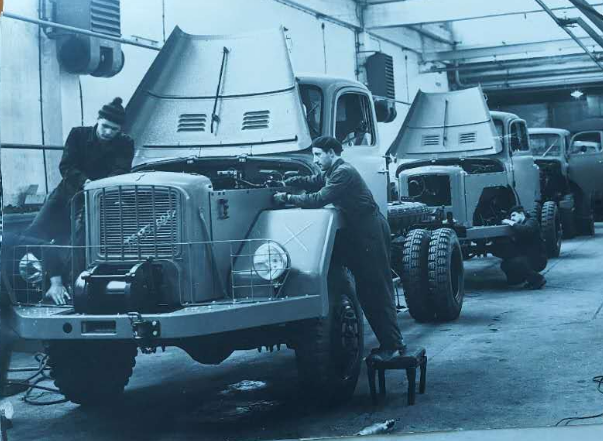
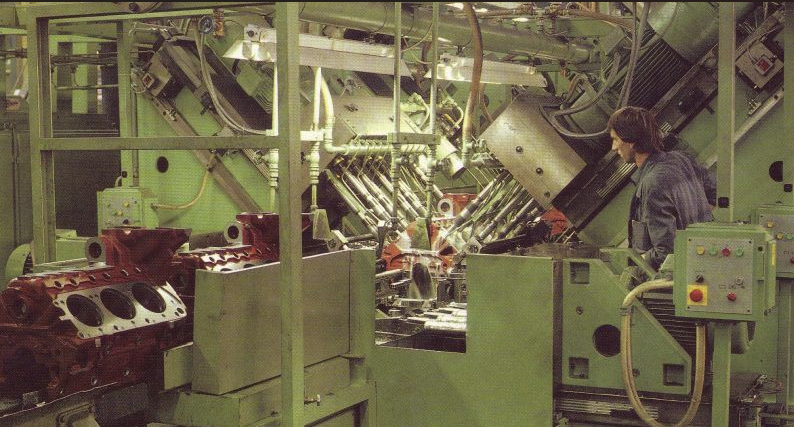
Pogled čez mejo: junij je bil tudi mesec izvoza
TAM ni živel samo od domačega trga. Junijski zapisi lepo pokažejo, kako pomemben je bil izvoz.
Leta 1969 so junija izvozili za 376.159 dolarjev, s čimer so mesečni izvozni plan presegli za 21 odstotkov. Za julij so imeli že naročil za 257.286 dolarjev, čeprav je bil načrt izvoza le 70.000 dolarjev.
Leto pozneje so bile številke še večje. Junijski plan izvoza je znašal 458.000 dolarjev, naročil je bilo za več kot milijon dolarjev, dejanski izvoz pa je dosegel 795.914 dolarjev. Plan je bil tako izpolnjen kar 173,7-odstotno. V prvih šestih mesecih leta 1970 je TAM izvozil za 2,52 milijona dolarjev.
Za občutek: današnja vrednost teh zneskov je bila večmilijonska. Že 460.000 dolarjev iz istega obdobja bi po orientacijski primerjavi kupne moči pomenilo približno 3,4 milijona evrov. Takšne številke pokažejo, da izvoz za TAM nikakor ni bil postranska dejavnost.
Tovarna, ki je skrbela tudi za življenje zunaj proizvodne hale
Junijski zapisi so zanimivi prav zato, ker proizvodnja ni bila njihova edina tema.
Leta 1970 so v TAM-ovih samskih domovih uredili 26 novih sob. Za novo opremo so namenili okoli 10 milijonov starih dinarjev. V nekaj novih sobah sta bila predvidena samo dva stanovalca, s tem pa je bilo skupaj 56 sob opremljenih z novo sobno opremo. Glasilo je zapisalo, da je šlo za uresničevanje večletnih zahtev mladih stanovalcev in za izboljšanje stanovanjskega standarda.
Za današnjega bralca je številka 10 milijonov dinarjev skoraj nepredstavljiva. Če jo zelo orientacijsko preračunamo po današnji kupni moči, bi šlo za več kot šest milijonov evrov. Primerjava je seveda zgolj približna, vendar dobro pokaže, da ni šlo za droben strošek, temveč za precejšen vložek v stanovanjski standard zaposlenih.
Stanovanjsko vprašanje je bilo za TAM pomembno že desetletja. Podjetje je problem reševalo z gradnjo in nakupom stanovanj, posojili za individualno gradnjo ter samskimi domovi.
Dopust ni bil samoumeven za vse
TAM-ov socialni obraz se pokaže tudi pri letovanjih.
Leta 1970 je sindikalna organizacija namenila 60.000 dinarjev za letovanje socialno šibkih članov kolektiva. Brezplačno ali z delnim samoprispevkom naj bi letovalo okoli 270 zaposlenih in njihovih svojcev, predvsem iz večjih družin z nizkimi dohodki. Večina jih je počitnice preživela v Omišlju in Pakoštanih.
Takratnih 60.000 dinarjev je po današnji orientacijski primerjavi predstavljalo približno 38.000 evrov.
To ni bila samo številka v bilanci sindikata. Pomenila je, da je podjetje oziroma njegov sindikat počitnice razumel tudi kot del socialne politike.
Tehnologija, ki je prihranila čas
Junija 1968 se v glasilu pojavi zgodba, ki bi jo zlahka spregledali, a lepo pokaže tehnološko plat TAM-a.
V karoserijski proizvodnji so uporabljali polavtomatsko varilno napravo za varjenje v zaščitnem plinu CO₂. Naprava je delovala približno 18 mesecev, vsak dan v dveh izmenah. Primerjava z dotedanjimi postopki je pokazala 35- do 60-odstotni prihranek časa pri varjenju, še posebej tam, kjer so plamensko varjenje nadomestili z obločnim varjenjem v zaščitnem plinu.
Za veliko tovarno je bil takšen prihranek bistveno več kot tehnična zanimivost. Pomenil je krajši čas izdelave in boljši izkoristek proizvodnje.
62 šoferjev in 200.000 kilometrov
Junij je bil povezan tudi z ljudmi, ki so TAM-ove izdelke spravljali na ceste.
Leta 1970 so med 1. aprilom in 30. junijem nagradili 62 šoferjev, ki so s TAM-ovimi vozili prevozili najmanj 200.000 kilometrov brez generalnega popravila. Prejeli so ročne ure, diplome in značke.
Takšna novica je danes skoraj nostalgična. Za tovarno pa je pomenila nekaj zelo konkretnega: zanesljivost vozila se je merila tudi v stotisočih kilometrov, šofer pa je bil pomemben del zgodbe o kakovosti TAM-ovega izdelka.
In potem je zmanjkalo piva
Najbolj nenavadna junijska zgodba pa prihaja iz leta 1971.
Na 99. seji upravnega odbora TAM-a so sklenili, da bo s 30. junijem 1971 prenehalo strežanje in prodajanje alkoholnih pijač v tovarniških prostorih. Ukrep ni veljal le za pivo, ampak za alkoholne pijače nasploh. Za kršitev je bila predvidena celo opredelitev kot hujša kršitev delovnih obveznosti.
Tovarna je bila s tem posegom očitno pripravljena precej odločno zarezati v eno od najbolj vsakdanjih navad zaposlenih. Še bolj zanimiva pa je bila zamisel, kaj naj bi sledilo: tovarniški bife bi preuredili v mlečno restavracijo.
Junij 1971 je tako postal mesec, ko je TAM – vsaj na papirju – rekel alkoholu ne.
Isti junijski časopis pa razkriva, da je bil TAM vse prej kot podjetje, ki bi stalo na mestu. Dokončana je bila druga faza tehnološke preureditve karoserijske proizvodnje za kombi vozila TAM 2001. Preureditev je trajala natanko eno leto in je bila namenjena povečanju proizvodnih zmogljivosti. Načrtovali so tudi okoli 300 novih parkirnih mest pred podjetjem in novo dvorano za proizvodnjo motorjev.
Junij, ki pokaže TAM v malem
Ko danes pogledamo te zapise skupaj, dobimo nekoliko drugačen pogled na TAM. V ospredju niso samo tovornjaki, motorji, proizvodne hale in statistika.
Slike, ki se utrnejo ob besedi TAM.
TAM je ustvarjal domove – omogočal stanovanja. Dopust. Sindikalna pomoč. Šofer, ki je z enim vozilom prevozil 200.000 kilometrov. Varilec, ki je z novo tehnologijo prihranil polovico časa. Mlad človek v samskem domu. In seveda tudi pivo v tovarniškem bifeju – vse do dne, ko ga ni bilo več, …
»Tamovec« zato ni pomenil zgolj človeka, zaposlenega v določeni tovarni. Pogosto je označeval pripadnost širši skupnosti.
Morda prav junijski zapisi to pokažejo najlepše. V nekaj straneh internega glasila se namreč srečajo velika industrija in majhne vsakdanje stvari. Plan proizvodnje in dopust na morju. Izvoz v dolarjih in cena sobe v samskem domu. Nova varilna tehnologija in vprašanje, kaj bo namesto piva.
In prav zaradi teh podrobnosti je zgodovina TAM-a več kot zgodovina tovarne. Je tudi zgodovina ljudi, ki so v njej delali, živeli in si z njo ustvarjali del vsakdana.
Junij 1996 pa je pomenil nekaj povsem drugega. 3. junija 1996 je bil nad TAM, d. d., začet stečajni postopek. Končal se je šele 6. maja 2009. S tem se je po več desetletjih tudi formalno zaključila zgodba velikega mariborskega industrijskega sistema. Nekaj let kasneje se je zgodba ravila znova.
Toda junijski zapisi iz šestdesetih in sedemdesetih let ostajajo. In v njih TAM še vedno ni samo ime tovarne. Je prostor, kjer se je delalo, načrtovalo, izvažalo, stanovalo, dopustovalo, tekmovalo – in nekoč tudi pilo pivo.
When There Wasn’t Even Beer Left at TAM: June Through the Factory’s History
June was much more than just another month in TAM’s production calendar. It brought together production targets, exports, housing, holidays, technical improvements, sport, social life and the everyday concerns of employees. And in 1971, it also brought a rather unusual decision: from then on, it would no longer be possible to buy even a beer at the factory.
When we read the June issues of the company’s internal magazine Vesti iz TAM together, they offer a fascinating cross-section of life in one of Maribor’s largest factories. The figures tell us a great deal about production, while the smaller stories reveal even more about the people behind those figures.
June Was First and Foremost a Month of Production
June at TAM was almost always closely linked to production targets. In June 1967, the factory produced 451 vehicles and chassis, although the target was 390. The monthly target was therefore exceeded by 12.75 percent, while the shortfall against the half-year target was reduced to just 45 vehicles and chassis – roughly three working days.
A year later, the June results were even better. The plan called for 448 vehicles to be placed in storage, while the actual figure was 461. The assembly department had planned to complete 440 vehicles and finished 446. By the end of the first half of the year, the cumulative assembly target had also been exceeded.
In 1970, however, the picture was rather different. The June plan called for 639 vehicles. TAM produced 580, placed 563 in storage and sold 616. The monthly production target was therefore achieved to 88 percent. In addition to the vehicles, the factory produced 197 six-cylinder engines for KHD.
Such figures were important to the management month after month. For readers today, they are interesting for another reason: they show just how precisely life in the factory was organised around targets, shortfalls and daily production quotas.
Looking Beyond the Borders: June Was Also a Month of Exports
TAM did not live on the domestic market alone. The June reports clearly show how important exports had become.
In June 1969, TAM exported goods worth $376,159, exceeding its monthly export target by 21 percent. By July, orders worth another $257,286 had already been secured, even though the July export target stood at only $70,000.
A year later, the figures were even higher. The June export target was $458,000, while orders exceeded one million dollars. Actual exports reached $795,914, meaning that the monthly target was achieved at 173.7 percent. During the first six months of 1970, TAM exported goods worth $2.52 million.
To put those figures into perspective, their value in today’s purchasing power would amount to several million euros. Even $460,000 from that period would correspond to roughly €3.4 million today. The figures make one thing clear: exports were by no means a secondary activity for TAM.
A Factory That Also Cared About Life Beyond the Production Hall
The June reports are particularly interesting because production was not their only concern.
In 1970, TAM equipped 26 new rooms in its workers’ hostels. Around 10 million old Yugoslav dinars were allocated for the new furnishings. Some of the newly equipped rooms were intended for just two residents, bringing the total number of rooms with new furniture to 56. The company magazine described the investment as a response to long-standing requests from young residents and an effort to improve their living conditions.
For today’s reader, ten million dinars is almost impossible to imagine. In terms of very approximate present-day purchasing power, the amount would correspond to more than six million euros. The comparison is necessarily indicative, but it gives a sense of the scale of the investment: this was not a minor expense, but a substantial commitment to employees’ living conditions.
Housing had been an important issue at TAM for decades. The company addressed it through the construction and purchase of apartments, loans for individual house building and workers’ hostels.
Holidays Were Not a Given for Everyone
TAM’s social side can also be seen in its holiday arrangements.
In 1970, the trade union organisation allocated 60,000 dinars to provide holidays for socially disadvantaged members of the workforce. Around 270 employees and their family members were to receive free holidays or holidays with only a partial contribution, particularly members of larger families with low incomes. Most spent their holidays in Omišalj and Pakoštane.
In today’s approximate purchasing power, those 60,000 dinars would correspond to around €38,000.
This was more than just a figure in the trade union’s accounts. It reflected an understanding of holidays as part of the company’s broader social policy.
Technology That Saved Time
A story published in June 1968 could easily be overlooked, yet it offers a revealing glimpse into TAM’s technological development.
In body production, the factory was using a semi-automatic welding machine that worked with CO₂ shielding gas. The machine had been operating for around 18 months, two shifts a day. Compared with previous methods, it reduced welding time by 35 to 60 percent, particularly where flame welding was replaced by arc welding in a protective gas atmosphere.
For a large industrial plant, such savings were much more than a technical curiosity. They meant shorter production times and more efficient use of manufacturing capacity.
62 Drivers and 200,000 Kilometres
June was also connected with the people who put TAM’s vehicles on the road.
In 1970, between 1 April and 30 June, 62 drivers were recognised for having driven TAM vehicles for at least 200,000 kilometres without a major overhaul. They received watches, certificates and badges.
Today, the story may sound almost nostalgic. For the factory, however, it represented something very concrete: vehicle reliability could be measured in hundreds of thousands of kilometres, and the driver was an important part of the story behind the quality of a TAM vehicle.
And Then There Was No More Beer
The most unusual June story, however, comes from 1971.
At its 99th session, TAM’s management board decided that, from 30 June 1971, the serving and sale of alcoholic beverages would cease throughout the factory premises. The decision did not apply only to beer, but to alcoholic drinks in general. Violations were even to be treated as a serious breach of work duties.
With this measure, the factory was prepared to make a decisive change to one of the everyday habits of its employees. Even more interesting was the proposal for what should come next: the factory buffet was to be transformed into a milk restaurant.
June 1971 thus became the month when TAM – at least on paper – said no to alcohol.
The same June issue, however, shows that TAM was anything but standing still. The second phase of the technological reorganisation of body production for the TAM 2001 van was completed. The reorganisation had lasted exactly one year and was intended to increase production capacity. Plans were also being made for around 300 new parking spaces in front of the factory and a new hall for engine production.
June as a Small Portrait of TAM
When we bring these June stories from different periods together, a broader picture of TAM emerges. It was not simply a factory producing trucks and engines, with production halls, targets and statistics.
The images that come to mind when we think of TAM are much broader.
TAM helped provide homes and housing. It made holidays possible. It offered trade union assistance. There were drivers who covered 200,000 kilometres in a single vehicle, welders who could cut production time almost in half with new technology, and young people whose first home was a workers’ hostel. And, of course, there was beer in the factory buffet – until the day there wasn’t.
Being a “Tamovec” therefore meant more than simply being employed at a particular factory. It often expressed a sense of belonging to a wider community.
Perhaps the June reports capture this best of all. In just a few pages of the internal magazine, large-scale industry meets the small details of everyday life. Production targets and holidays by the sea. Export figures in dollars and the cost of a room in a workers’ hostel. New welding technology and the question of what would replace the beer.
And that is why the history of TAM is more than the history of a factory. It is also the history of the people who worked there, lived their lives alongside it and made it part of their everyday world.
June 1996, however, marked something entirely different. On 3 June 1996, bankruptcy proceedings were opened against TAM, d.d. They were not concluded until 6 May 2009. After several decades, the formal chapter of the great Maribor industrial system had finally come to an end. A few years later, however, the story would begin again in a different form.
The June records from the 1960s and 1970s remain. And in them, TAM is still more than the name of a factory. It is a place where people worked, planned, exported, lived, spent their holidays, competed – and, once upon a time, drank beer.